

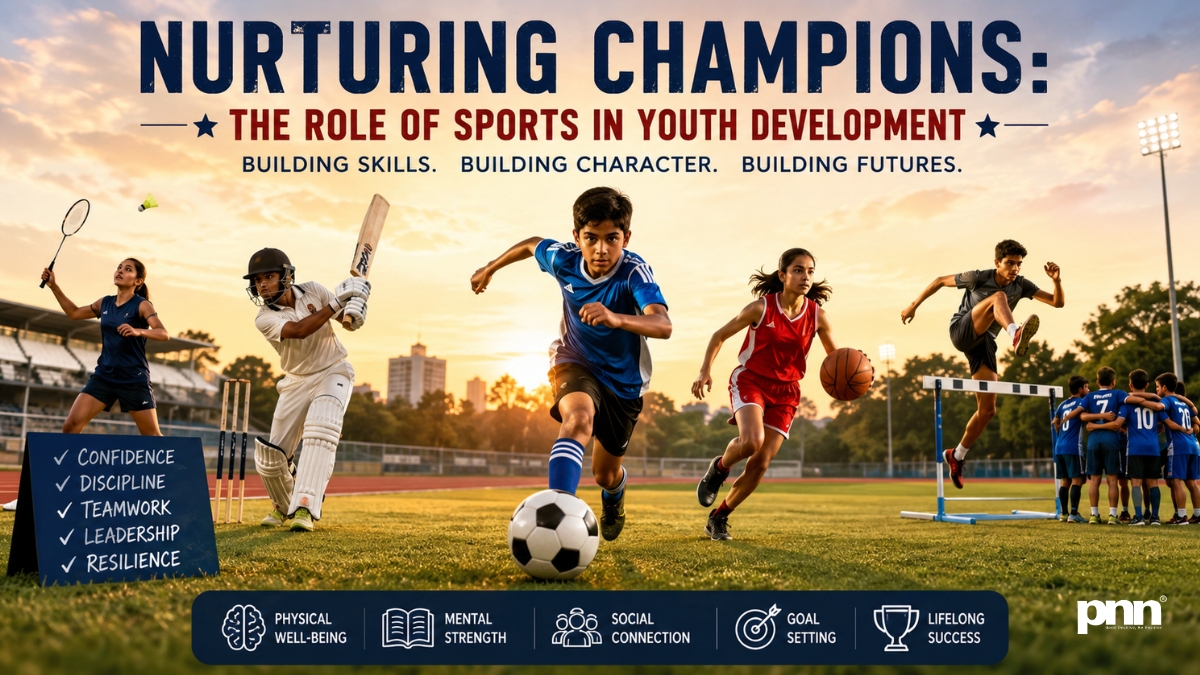
Mumbai (Maharashtra) [India], July 16: Stop by any park on a Saturday morning, and it’s impossible to miss—a blur of kids chasing a ball, tripping, arguing about the rules, and laughing way too loud for how early it is. It just looks like regular playtime. But beneath all the racket, these kids are actually picking up things they’ll lean on for the rest of their lives: dealing with losing, pushing through tough moments, and figuring out how to treat people right.
Sure, trophies and final scores get everyone excited, but, honestly, that stuff fades. The real wins show up years later. You see it in grown-ups who don’t give up when things get tough, who know how to work alongside people they don’t always get along with, and who learned—usually the hard way—that a loss isn’t the end.
Building Character, One Practice at a Time
Every early morning, every long practice, leaves a mark. Take swimming, for example. You can’t cut corners. You crawl out of bed, dive into cold water, and do the work over and over. That kind of discipline sticks with you long after you forget where those medals ended up.
Rules? There’s no escaping them in sports. Everyone plays by the same ones, and nobody can talk their way past an offside call. That’s not how life always works, but it is how sports work, and it teaches kids to accept their mistakes.
Resilience is everywhere on a team. Coaches see it all the time—the kid who misses the big shot, feels completely crushed, but then comes back to try again anyway. That messy, awkward moment after a setback is where real character grows.
The Social Classroom
Team sports toss kids into the deep end when it comes to people skills. You’ve got to speak up when it counts, trust teammates you just met, and follow someone who isn’t your mom or dad. These lessons don’t vanish—they pop up later on, whether you’re sitting in a classroom, pitching an idea at work, or just hanging out with friends.
Humility sneaks in, too. Sometimes the star has to pass up the spotlight. Sometimes the kid who sits on the bench the whole game has to keep showing up, even when playing time feels out of reach. Both end up learning something you can’t teach from a textbook: you’re important, even if you’re not the best out there. And effort means the most when things aren’t going your way.
Physical Health as a Foundation
Let’s not skip the obvious—sports get kids moving. Physical health gets a boost: strong bones, tough muscles, healthy hearts, better sleep. That alone means a lot. On top of that, when kids take care of their bodies, they start to figure out self-care in a real way—something a lecture just can’t teach.
Mental health gets a lift, too. Running around and working up a sweat chases off stress and lifts your mood. It’s a healthy way to blow off steam, and without it, stress tends to crawl out in nastier ways—outbursts, withdrawal, or just bouncing off the walls at home.
The Role of Adults: Coaches and Parents
But all this good stuff? It needs the right adults to make it happen. You’ve seen those coaches barking at little kids for dropping a catch—they’re not helping. They’re just making kids anxious. The best coaches? They know their job is building confident people first, athletes second.
Parents matter too, sometimes more quietly. The ride home after a game—what gets said (or not said) can either light a spark or snuff it out. Saying, “I loved watching you play,” honestly does a lot more for your kid than breaking down every missed shot.
When Sports Go Wrong
It’s not perfect, though. Push too hard, obsess over winning, or force one sport on a kid, and you risk burnout, injuries, or making them hate exercise. Youth sports aren’t about cranking out pros—they’re about laying down a healthy foundation, even if a kid never joins a team again.
So let kids dabble in different sports. Let them take breaks, and keep it fun, especially when they’re little. That’s what builds healthy habits and, usually, better athletes too.
Champions, Redefined
Maybe it’s time to rethink what it means to be a “champion.” It’s not just the kid with the biggest trophy. It’s the one who takes a loss with grace, backs up a struggling teammate, and still shows up when it’s pouring and nobody’s there to clap. Done right, sports create more than athletes—they shape people. People with grit, who work as a team and find strength in bouncing back, even after a loss. These are lessons that last, long after the final whistle, wherever life takes them.
Honestly, that’s a win that sticks.

Comments are closed.