
Home Kitchens Are the New Michelin-Tables — and India Is Eating It Up (with a Side of Spices & Struggle)

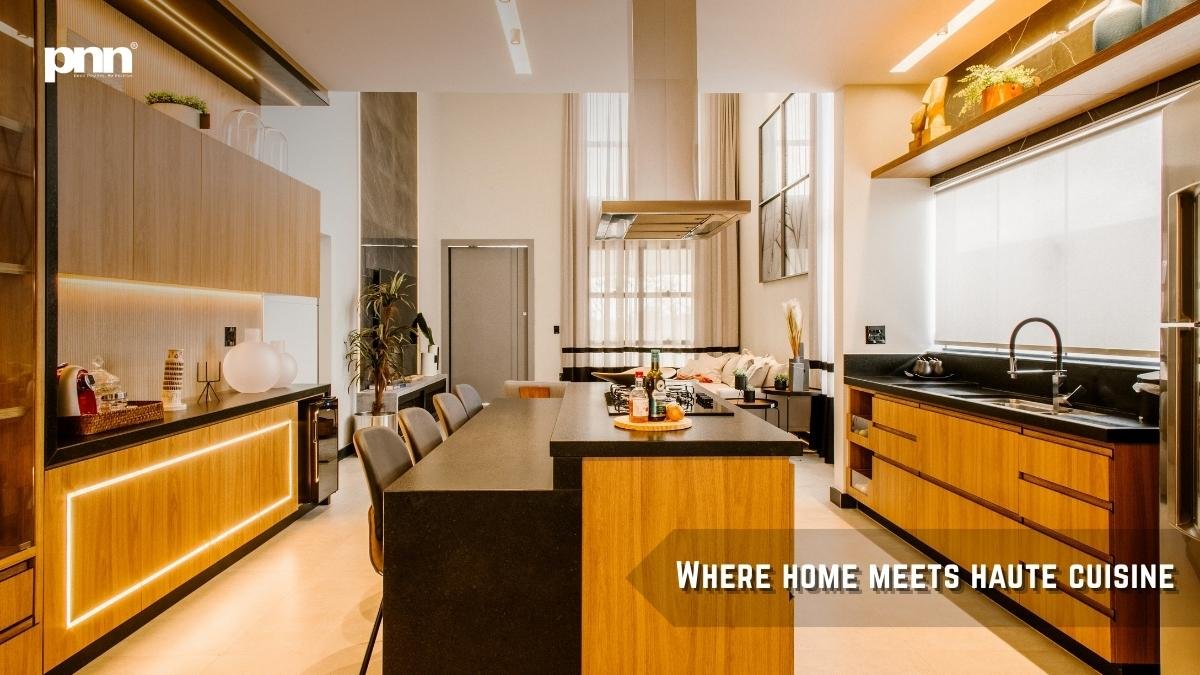
Mumbai (Maharashtra) [India], December 6: Imagine your mother’s kitchen, perfumed with cumin and cardamom, transformed into a boutique think-tank of flavours. That’s the quiet revolution unfolding across Indian cities in 2025 — as home kitchens morph into gourmet start-ups, and “home chef” no longer means grandma stirring dal, but an entrepreneur plating memories.
Technology — and a certain restlessness with run-of-the-mill restaurant fare — have blown open the doors of traditional kitchens. In 2025, a growing legion of home cooks, hobby-chefs, and homemakers is scaling up: offering regional fare, curated pop-ups, weekend meal subscriptions, and personalised catering for city-dwellers craving authenticity.
No longer confined to family dining tables, these kitchens are becoming micro-enterprises — blending nostalgia, entrepreneurship and a dash of culinary daring.
What’s Fueling the Home-Chef Boom? (And Why 2025 Feels Like the Right Moment)
-
Desire for authenticity: As commercial restaurants grow more standardised, there’s renewed hunger for home-style cooking — regional thalis, family recipes, comfort food made with fresh ingredients and love. That raw human touch is hard to replicate under neon lights and industrial kitchens.
-
Lower barriers to entry: Compared to starting a restaurant — with rent, staff, décor — a home-based food business or cloud-kitchen requires far less capital. Many chefs say initial investment can be modest, making it accessible even to homemakers or part-timers.
-
Digital & social empowerment: With social media, WhatsApp, and community networks, home chefs can reach customers directly. No need for expensive ads or aggregator commissions (in some cases). The internet plus word-of-mouth works surprisingly well.
-
Changing consumer habits: Urban Indians — often living away from their hometowns — crave nostalgia. A home-cooked thali from “back home” gives them comfort; a pop-up featuring regional cuisine offers a taste of roots. That demand fuels the weekly meal orders, subscriptions, and festive pop-ups that home chefs offer.
As a result, what once was just weekend cooking or occasional catering is becoming a sustained business model — a trend that’s quietly rewriting the rules of dining in India.
What’s Great — And What Has a Bitter Aftertaste
The Upside
-
Economic empowerment & inclusivity: Homemakers (often women) are reclaiming kitchens as sources of income. Food isn’t just survival or taste — it’s autonomy, agency, and dignity.
-
Diverse culinary resurgence: From regional recipes to lesser-known cuisines, there’s a renaissance of cultural food identity — flavours your grandmother knew, resurging with rightful pride.
-
Accessible gourmet experiences: For people who can’t afford fine-dining or don’t have the time, home-chef food bridges the gap: affordable, warm, and familiar.
-
Flexibility for chefs & customers: Chefs can manage work-from-home, balance personal life; customers can enjoy home-cooked meals without the effort.
The Underbelly
-
Unpredictable quality and hygiene: Unlike regulated restaurants (with health inspections, trained staff), home kitchens often lack formal checks. Trust hinges on social-media photos and personal reputation. Good for loyalists; risky for newbies.
-
Sustainability & scalability issues: A recipe that works for 2–5 orders may crumble under 50–100. Scaling up demands better infrastructure, which many chefs can’t afford.
-
Market saturation and competition: As more people enter the space, standing out becomes harder. Without marketing skills or a unique USP, it’s easy to drown in the crowd.
-
Digital-dependency & commission traps: Many still rely on aggregator platforms with high commissions, or spend heavily on ads. Profit margins can shrink fast once costs are factored in.
-
Inconsistent demand & unpredictability: Weekends, festivals, and social events boost orders — but weekdays can be sluggish. The feast-or-famine pattern is real, and financial instability lurks if chefs don’t diversify or manage smartly.
So What Does This Say About India’s Food Future?
If 2025 marks the tipping point, the aftermath is already visible:
-
Cloud kitchens, home-chef pop-ups, and personalised catering are no longer fringe — they’re becoming embedded in urban dining culture.
-
Culinary diversity will flourish: expect more regional menus, fusion home-style menus, and niche cuisines (for example, tribal, regional, forgotten foods) to resurface.
-
New business models: small-scale meal-subscription services, community-based meal boxes, regional-food delivery, direct-to-consumer models — imagine “taste-of-home” subscriptions from across states.
-
Redefinition of “eating out”: Dining out won’t always mean restaurants; it might mean getting a handcrafted meal from a home-chef kitchen — cosy, personal, homely.
This evolution blurred the lines between “home food” and “commercial food.”
But with evolution comes responsibility. As this space matures, issues of food safety, hygiene, transparency, consistency, and consumer trust must be addressed. It can’t just be about nostalgia and Instagram-worthy plating.
What Aspiring Chefs or Entrepreneurs Should Watch Out For
-
Invest in cleanliness, hygiene, and transparent packaging — your reputation is fragile.
-
Build a brand story — regional roots, personal journey, authenticity — because that’s what clients buy alongside food.
-
Use direct channels (WhatsApp, social media, community referrals) to reduce dependency on aggregator commissions.
-
Diversify service offerings: weekend pop-ups, subscription meals, festive boxes — don’t rely on random orders.
-
Plan for scale-up challenges: ingredient supply, consistent quality, managing larger orders — that’s a different beast than cooking for family.

Comments are closed.