


New Delhi [India], January 24: Odisha just put India on the global cultural map in style. The Buddhist Diamond Triangle—Ratnagiri, Udayagiri, and Lalitgiri—has been added to UNESCO’s tentative World Heritage list, turning centuries-old monasteries, stupas, and meditation hills into must-see destinations for history buffs, spiritual seekers, and heritage travelers alike.
Odisha Buddhism Heritage: 3 Eyeglass Gems Glory UNESCO
The cultural empire of India just scored a major triumph. The Buddhist “Diamond Triangle” of Odisha, comprising Ratnagiri, Udayagiri, and Lalitgiri, has been included in UNESCO’s tentative World Heritage list. These are not simple dusty ruins—they are centuries-old centers of Hinayana, Mahayana, and Vajrayana Buddhism, blending religious devotion, philosophical depth, and architectural genius.
This is not just a pat on the back. UNESCO recognition signals India’s intent to showcase its heritage globally, and Odisha has emerged as a heavyweight in this cultural game.]
The Diamond Triangle: Buddhism in Odisha, Power Play
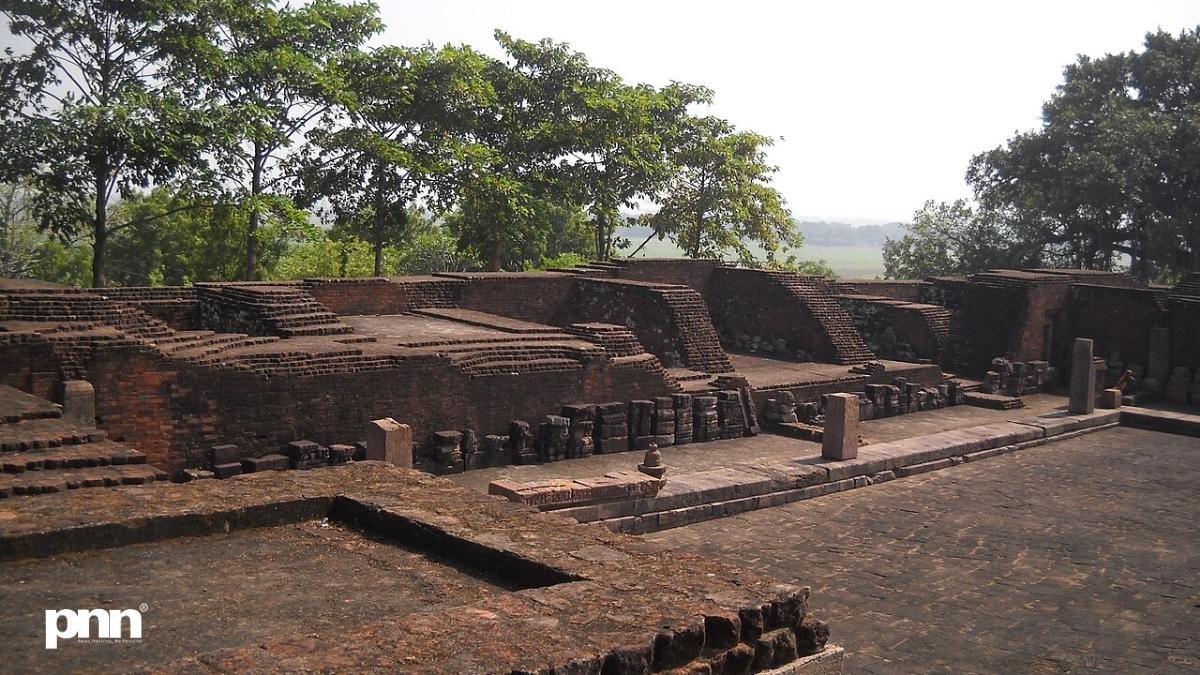
Ratnagiri: Master Jewel of Mahayana Learning
Ratnagiri is enormous—over 18 acres of hills, stupas, monasteries, and meditation spaces that could make even Elon Musk pause in awe. Thriving from the 5th to the 12th centuries CE, it was a hub of Mahayana Buddhism, attracting scholars, travelers, and monks from distant corners of Asia.
The architecture is jaw-dropping. Multi-tiered monasteries, intricately carved stupas, and detailed Buddha images dominate the landscape. Even casual visitors can sense the intensity of debate and scholarship that once filled these halls. Smaller shrines and relics reveal the daily lives of monks, their spiritual dedication, and an unwavering focus on beauty—the perfect balance of discipline and artistry.
Walking through Ratnagiri today is like entering a world where precision met devotion. Every carving, every layout choice screams intent. Think of it as India’s ancient Ivy League campus—but with better scenery.
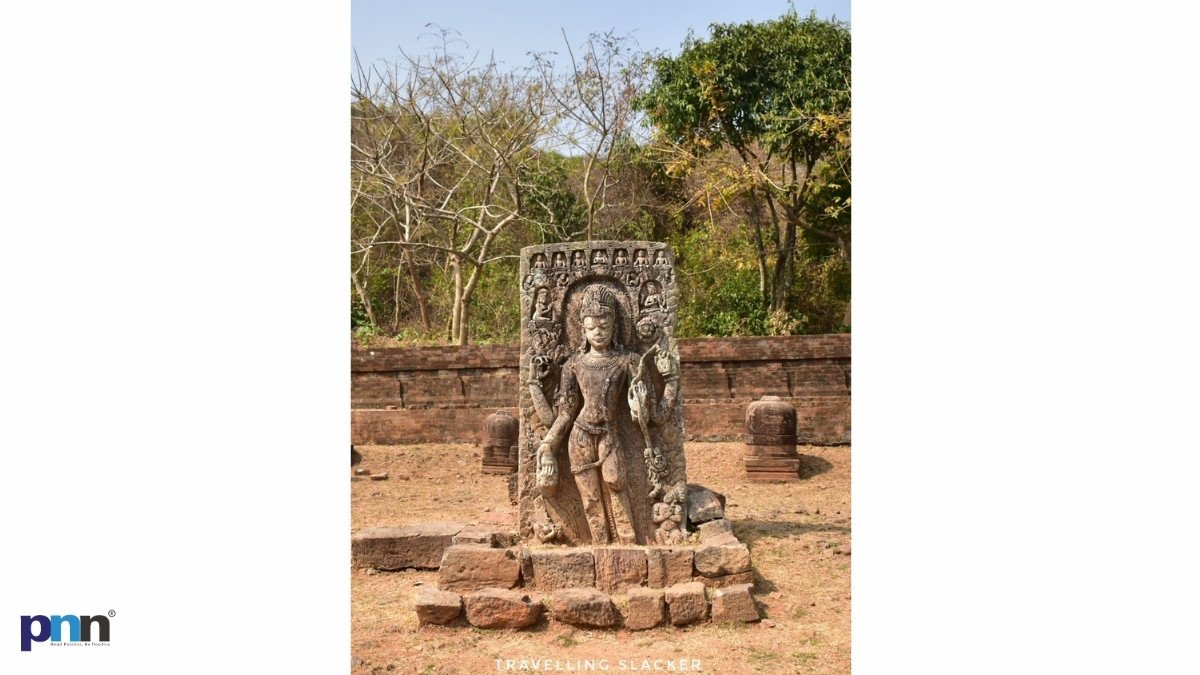
Udayagiri: The Devotion Strategy Summit
Udayagiri literally means “Hill of the Rising Sun”, and the name fits. The site combines spirituality with strategy, perched high to offer panoramic views of the plains. Monks meditated here, scholars debated, and political maneuvering occasionally occurred under the watchful eyes of religious leaders.
Udayagiri bridges Hinayana and Vajrayana Buddhism, demonstrating that religion in India evolved over centuries. Fortified structures sit alongside monasteries—a reminder that even spiritual communities needed protection. Imagine it as a hybrid between a monastery and a fortress, where light meets heavy, meditation meets vigilance.
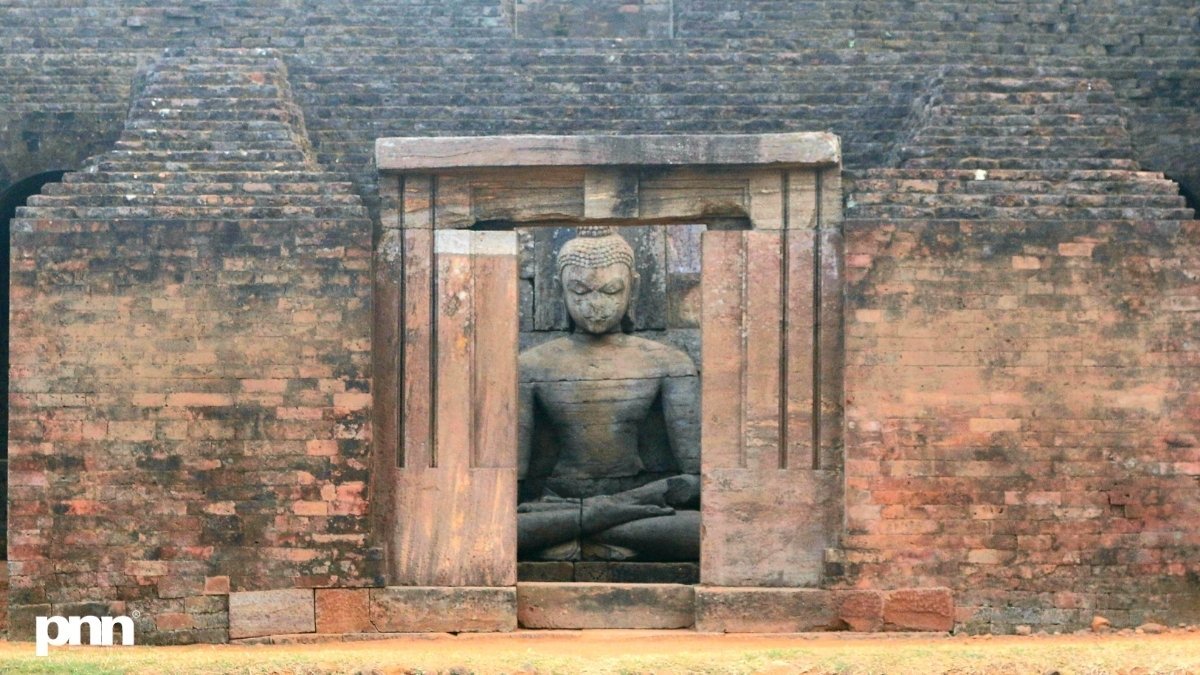
Lalitgiri: Red Hill of Ritual and Art
Lalitgiri is less talked about but equally spectacular. Its name, “Red Hill,” evokes both the earth-toned stupas and the vibrancy of Vajrayana rituals that once took place there. Visitors are immediately immersed in artistic sophistication—chaityas, stupas, intricately carved sculptures of gods, guardians, and mythological scenes.
Lalitgiri embodies the fusion of ritual, philosophy, and aesthetics. Religious practice here was inseparable from art. Picture a place where Tony Stark-level vision collides with monk-like discipline—architecture, meditation, and artistry fused perfectly.
The Role of UNESCO Recognition: Why It Matters
Being on UNESCO’s tentative list is no mere ceremonial nod; it’s a global spotlight. Entry into the tentative list opens doors to:
-
International funding for preservation
-
Heritage tourism development
-
Academic research partnerships
The Archaeological Survey of India emphasises that a tentative listing confirms outstanding universal value. For Odisha, this is more than bragging rights—it’s a ticket to rank alongside world-famous Buddhist sites like Bodh Gaya and Nalanda, giving the Diamond Triangle global credibility.
A Visitor’s Paradise
These sites are not just for archaeologists. Imagine walking through serene hills, following the footsteps of centuries of monks, and marvelling at stupas carved with precision beyond modern tools. Cultural tourists can experience:
-
Guided heritage walks
-
Educational workshops
-
Meditation retreats
-
Cultural festivals celebrating Buddhist art and music
The potential for heritage tourism is enormous. Odisha can attract millennials, Gen Z, and global travelers seeking spiritual depth, history, and aesthetic pleasure—all in one destination.
Historical Depth: The Story in Stones
Ratnagiri, Udayagiri, and Lalitgiri are a living chronicle of Odisha’s Buddhist evolution. From the simplicity of Hinayana to the complexity of Mahayana and finally the ritualized sophistication of Vajrayana, the Diamond Triangle reflects centuries of intellectual and spiritual innovation.
These sites also hint at trade, learning, and cultural exchange. Scholars and pilgrims from China, Tibet, and Southeast Asia traveled here to study and debate. Odisha was not isolated—it was a nexus of knowledge, culture, and philosophy in ancient India.
Architectural Mastery
The artistry here is extraordinary. Monasteries are multi-tiered and often spill onto hillsides, with intricate carvings depicting teachings, gods, and mythological scenes. Stupas are not mere decoration—they are reliquaries, meditation spaces, and symbols of cosmic order.
Even minor details—water channels, walkways, shrine orientations—show meticulous planning and astronomical knowledge. These sites were created with Harvey Specter-level strategy and Tony Stark-level design, blending function, aesthetics, and spiritual strength.
Opportunities and Challenges
Centuries of monsoons, vegetation growth, and neglect have taken their toll. But the future is promising. Preservation projects are already underway:
-
Reconstruction of dilapidated stupas
-
Scientific management of hillsides
-
Digital documentation for research and virtual tours
The opportunity is clear. Odisha can transform these ancient treasures into tourism, educational, and spiritual hubs, without commercializing their sanctity.
Why India Should Celebrate
Odisha’s Diamond Triangle proves that Indian culture is bold and timeless. It reminds us that India has been creating, debating, and innovating for centuries.
UNESCO recognition is more than a label—it’s India flexing its heritage muscles, showing the world that the subcontinent’s spiritual, intellectual, and artistic traditions are world-class, unapologetic, and awe-inspiring.

Comments are closed.